
My Story
Are You Coming Back?
LaKeysha Cobbs-Hayes, MAT, BCBA
5 min read
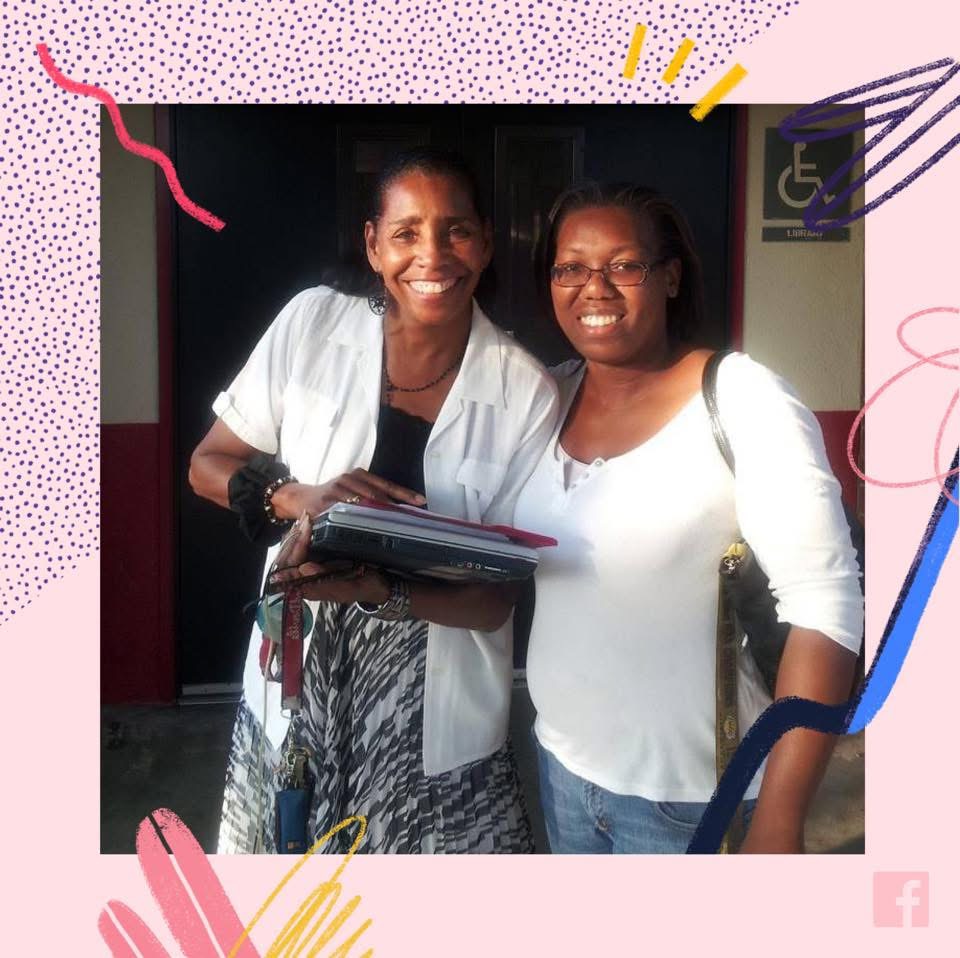
“Are you coming back tomorrow?”
Mrs. Brown asked me that every day of my tenth-grade year.
She taught world history. In a school with thousands of kids, I could not work out why she cared what I was or was not doing — particularly since I was putting real effort into not being noticed.
School had become optional for me by then. I was ditching class. It was mostly a place I went to pass the time.
Mrs. Brown ate lunch in her classroom with two other teachers, and she kept her door open to students who wanted to come in. So I did. I would sit in there and act up and take up space, and she let me.
She never scolded me for acting a fool. She never pressed me about where I had been.
She just asked the same question every afternoon as I got to the door.
Are you coming back tomorrow?
It annoyed me every single time.
Why does this woman keep asking me that?
What she was actually doing
It took me years to understand.
I was not used to an adult caring where I was. And I was really not used to being given a choice about anything.
Require me to do something? Constantly. Expect something of me? Sure. Offer me an option?
Never.
Mrs. Brown was the first adult in my life who handed me a decision and let it stay mine. She was not telling me to come back. She was asking whether I would.
That question held me accountable — at first to her, and eventually to myself.
She was a mirror showing me who I could become. But it was still on me to become her.
What came before that classroom
If I laid out everything that happened to me before that room, you would reasonably wonder how I ended up here.
I was raised by a mother who never believed me or believed in me. The man I knew as my father died in prison. I spent time in foster care. I became a mother while I was still a teenager. There were stretches when I had nowhere to live and no reason to think that would change.
I am telling you this for one reason, and it is not so you will be impressed.
Everything that happened to me made a particular life extremely likely. Statistically, I was supposed to be somewhere else right now.
I want you to notice that likely is not the same as decided.
What actually moved me
What I built instead: a multi-location behavioral health practice supporting hundreds of families across Southern California. A career teaching and training clinicians. Two books. Rooms full of people I get to speak to.
None of that arrived because I wanted it badly enough. I want to be clear about that, because it is the part people get wrong.
I worked hard the entire time. Plenty of people work hard and stay exactly where they are.
What actually moved me was different. It was environment. It was access. It was skills I did not have and had to be taught. It was people who asked me better questions than the ones I was asking myself.
Hard work alone was never the thing.
Support kept showing up
Here is something I have noticed about my own life, and I have never had a tidy explanation for it.
Whenever I have been in the middle of real growth — the uncomfortable, expanding kind — someone has shown up.
Usually someone I did not know. Usually holding exactly the piece of information I needed to take the next step.
Someone pointed me toward early childhood education as a college major, which, if you had met me at the time, you would understand was not an obvious idea. Someone helped me get the lease for a sensory gym I had no business being confident about.
Sometimes it was a big idea. Sometimes it was one small step that turned out to lead somewhere much larger.
What those moments have in common is not that help appeared.
It is that I moved.
I acted on it, usually before I felt ready, frequently while scared, often without the full picture.
Support kept showing up. But support is not a strategy. What you do next is.
The distance is never desire
I spent years believing that the distance between where I was and where I wanted to be was a matter of wanting it enough. It was not. It never is.
The distance is almost always something more specific — and more fixable — than desire.
Sometimes you are not actually clear on what needs to change. Sometimes your circumstances are quietly working against you. Sometimes nobody has taught you how. Sometimes what you believe about yourself is in a fight with what the change requires. Sometimes the version of you that does this thing does not feel like you yet.
And sometimes, honestly, you are chasing something you stopped wanting a while ago.
Those are different problems. They need different answers. And almost nobody stops to work out which one they are actually in.
That space — between what you know and what you consistently do — is what I have spent my life studying. I call it the Gap.
So I am going to ask you once
Mrs. Brown asked me the same question every day until I answered it with my behavior.
Not with a promise. Not with an intention.
By showing up the next day, and then the day after that.
Are you coming back to the person you were on your way to becoming before something knocked you off it?
Are you coming back to the thing you set down when it got hard?
Are you coming back for the version of yourself you actually want, rather than the one you think you are supposed to be?
I cannot promise you it will be comfortable.
I can help you find out what has been stopping you.
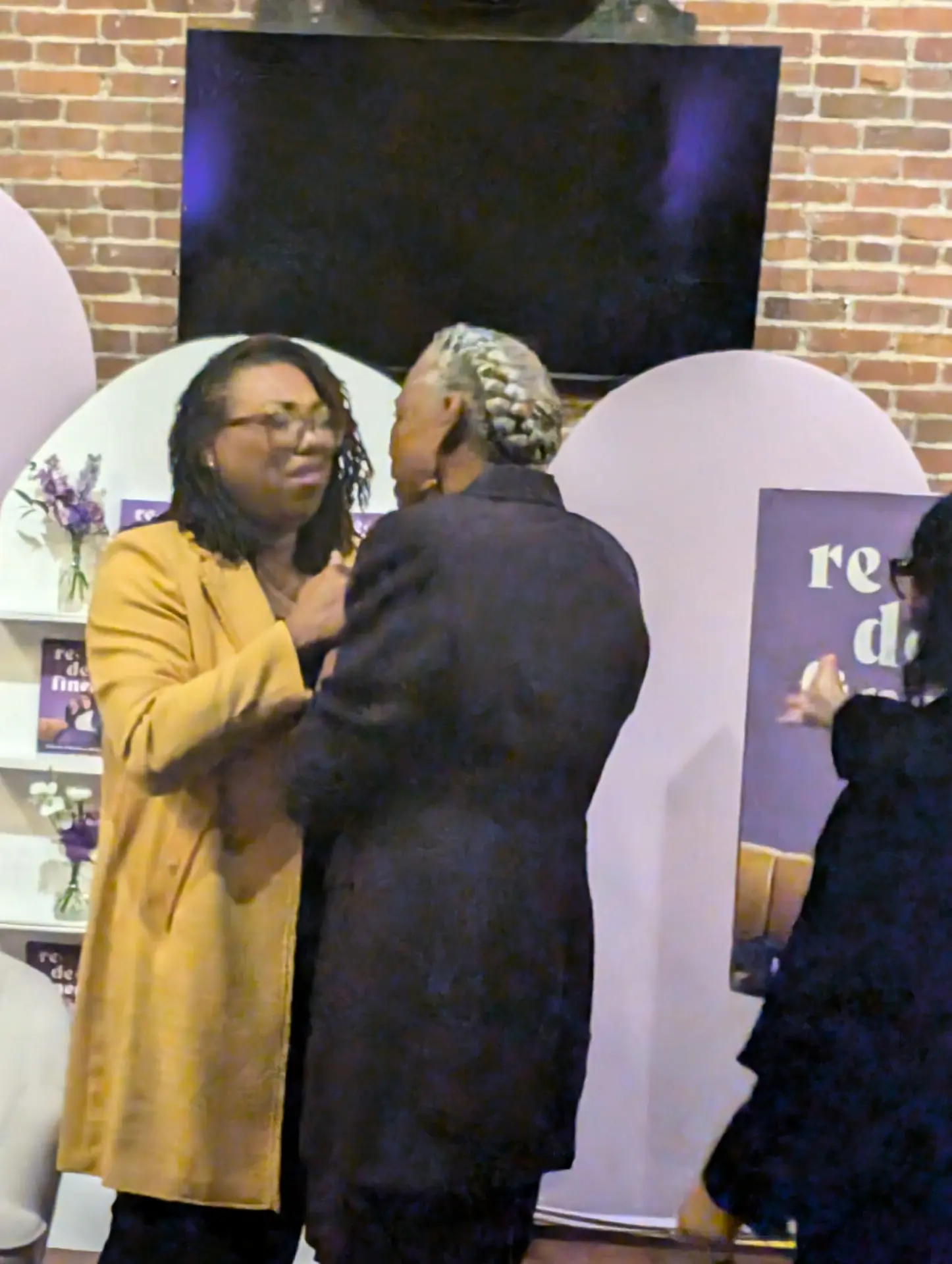
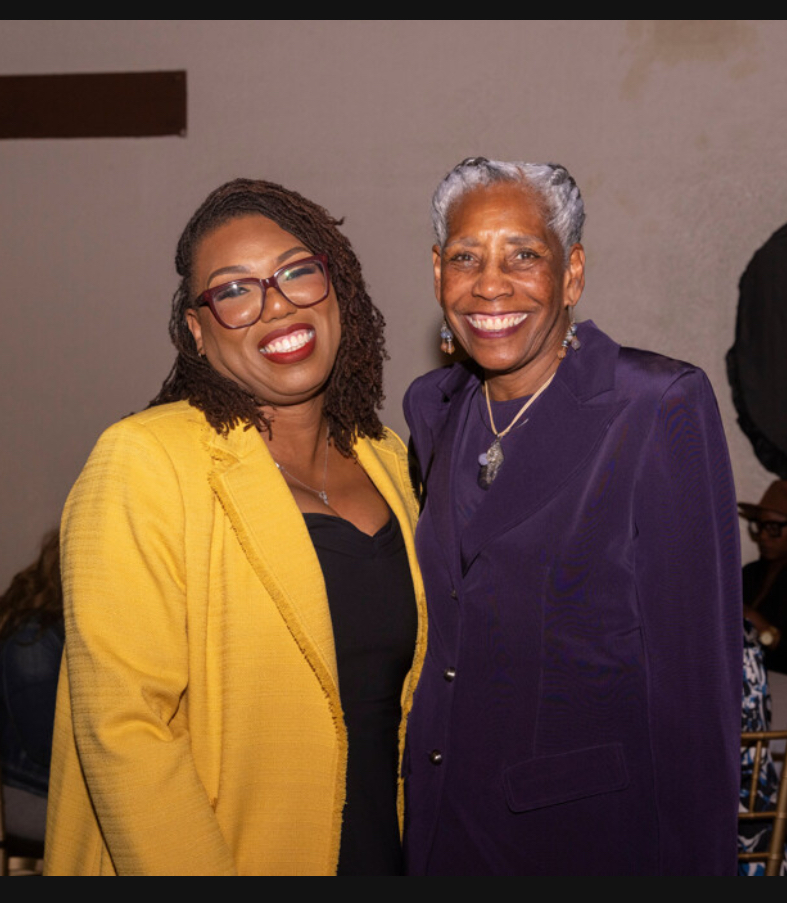
That question changed something for me.
Today, the question sounds different. Are you going to do the thing you keep saying you’re going to do?
Find Your Gap™ is a self-reflection and coaching tool. It is not a psychological, clinical, or diagnostic assessment, does not diagnose any condition, and is not a substitute for care from a licensed professional.
Adapted from the Preface of Redefined: Reclaim Your Power and Live the Life You Want by LaKeysha Cobbs-Hayes. Published by 13th & Joan.